

What to Do When Your Boiler Fails Mid-Season
If your boiler goes down during heating season, your actions in the first few hours matter enormously – both for getting heat restored and for protecting yourself legally. Follow these steps in order.
- Document the failure immediately
Note the exact time and date, what was observed (no heat, error codes, unusual sounds), and who discovered it. This timestamp is critical if you later need to demonstrate to HPD that you acted promptly. - Notify tenants in writing within hours
Send written notice (email, text, or posted notice) acknowledging the issue and stating that you are actively working to restore heat. Keep a copy. This demonstrates good faith and can factor into how violations are assessed. - Get a diagnosis from a licensed technician
Contact your boiler service company immediately. The key question is how long repair will take. If the answer is more than 24 hours, proceed to the next step immediately – do not wait for a final repair estimate. - Call for an emergency rental boiler without delay
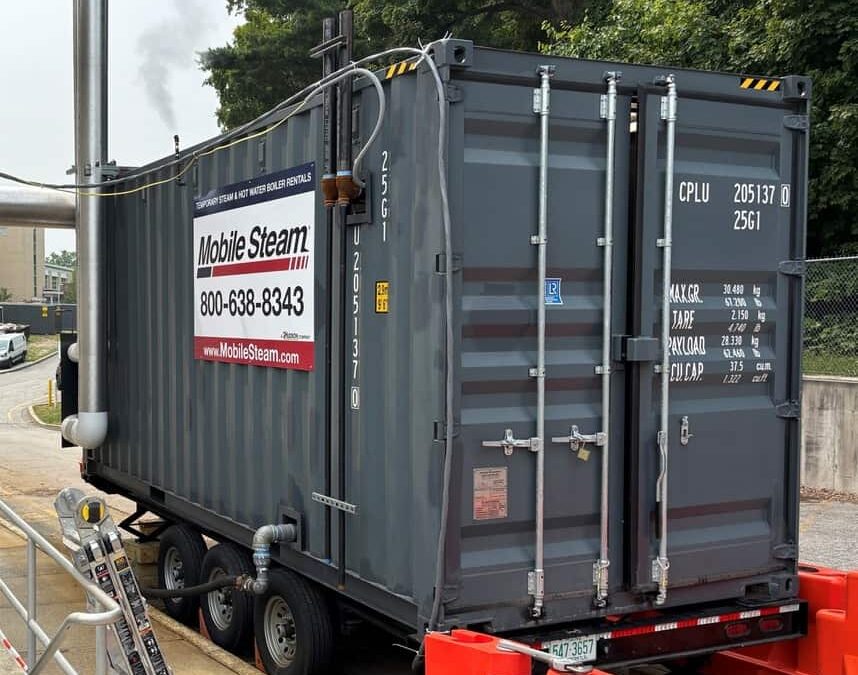
If repair extends beyond same-day, the fastest way to close your violation window is deploying a rental boiler. Mobile Steam can have a unit en route the same day. Call (800) 638-8343 – available 24/7. The longer you wait, the more your exposure compounds. - Know what to say if HPD contacts you
Be prepared to show: when the failure occurred, when you notified tenants, what remediation steps are underway, and the expected timeline for full restoration. Do not promise timelines you cannot meet. - Keep a written log of all actions taken
Log every call, visit, decision, and communication from the moment of failure until heat is fully restored. This log is your primary defense if violations are issued and you contest them.
OTHER RELATED RESOURCES ON MOBILE STEAM
- Emergency Boiler Rentals – How It Works
- Temporary Boiler Rentals for Planned Maintenance
- How Much Does a Commercial Boiler Rental Cost in New York?
- Full Heating Regulations Guide – NY, NJ & CT
- Boiler Rentals for Apartment Buildings
- Boiler Rentals for Commercial Properties
- Boiler Rental FAQs
Disclaimer: This article is provided for general informational purposes only and does not constitute legal advice. Heating regulations vary by jurisdiction and are subject to change. Always verify current requirements directly with your local housing authority, code enforcement office, or a licensed attorney before making compliance decisions.